
People-Centered Operations Consulting
You Know Something Isn’t Working. Let’s Find Out Exactly What.
I help owner-led businesses find the real reason their operations aren't working — and walk away with a prioritized plan to fix it. Two weeks, start to finish.
Let me guess….
The Software’s Just Sitting There
You invested in a system that’s supposed to improve efficiency. Your team got access. Maybe they watched a tutorial or two. But they're still doing things the old way: texting updates, keeping notes scattered everywhere, asking you the same questions over and over. The software isn't the problem. They just don't know how it fits into your process.
The "Am I Doing This Right?" Spiral
You're building the plane while flying it. Every decision feels like a guess. You want to know what other companies are doing, what "good" looks like, what the best practices are, but who has time to figure that out when you're just trying to keep projects moving?
Growing Faster Than Your Systems Can Handle
More projects, more clients, more revenue, which is great! Except now you're drowning in chaos. Things that worked when you had 3 jobs running don't work when you have 12. You know you need better systems, but when are you supposed to build them?
Here’s what those three things have in common:
none of them are actually software problems.
Most Operations Problems Get Misdiagnosed
When something isn't working, the instinct is to fix it: new software, new process, new hire. So companies spend real money implementing a system that was never the constraint, and six months later the same problems are back wearing different clothes.
Sometimes the tool really is wrong, and I'll tell you when it is. But far more often it's something else — nobody owns the decision, or the workflow was designed for a business three sizes smaller, or the team is working around a system that doesn't match how the job actually gets done.
Almost every operations problem I've been hired to fix turned out to be a people problem in a software costume. Not because anyone was doing a bad job, because the system asked people to work in a way the work doesn't actually allow. Software can't tell you that. Neither can AI. You have to go look.
You can't fix it with a better tool. You have to find it first.
I don't push implementation. That's deliberate.
Most consultants diagnose your business and then, conveniently, prescribe exactly the services they sell. I'd rather give you a plan you can execute in-house, with your own team, on your own timeline. If my recommendation is "you don't need to buy anything, you need to decide who owns this," I want to be free to say that.
I look at how your business actually runs, not how it’s supposed to. The systems you’re paying for, the workflows your team really follows, and where decisions get stuck. Then we build the roadmap together.
What I look at
Systems and tools — what you’re paying for versus what’s actually being used
Workflows — how work moves in practice, compared to how it’s meant to
Ownership and decision-making — who decides what, and where things stall
Documentation — what exists, and what people actually reference
Team adoption — where people work around the system, and why
What you get
A written Blueprint: what’s broken, why, and what to fix in what order
A 90-minute working session where we set priorities together
A 30-day follow-up call once you’ve started executing
The Blueprint — $1,850
Blueprint + 90 days of execution coaching — $4,750
A plan that doesn’t get executed is worth nothing. If you want someone holding the line on it while the business keeps moving, that’s what the coaching option is for.
Two weeks. One clear plan.
The Operations Blueprint
Same Person. Different System.
A home remodeling company hired a young project manager who seemed to be struggling. Jobs weren’t getting updated, communication was a mess, and the owner was ready to let him go.
The problem wasn’t the PM. We built clear workflows, created daily logs with specific prompts, and trained both the owner and the PM on the why behind the process — not just the how.
Within two weeks, he was following the workflow consistently. Communication improved across the board. Job updates went from unreliable to dependable.
Result: a 60% increase in jobs being consistently updated with accurate information. The owner could finally see project status at a glance instead of chasing people for it. He didn’t need a different project manager.
He needed a system that made the job doable.
A Case Study
What I’ve accomplished with my clients:

Meet the Founder
I’ve spent my career doing operations and process improvement work. Sometimes in official roles, often just because I saw something broken and wanted to fix it.
I’ve run operations for a fast-growing education company, served as the Board President and acting Executive Director for a nonprofit that went from $15K to $100K in a year, built systems for entertainment and event businesses, and spent months inside construction companies figuring out why the software they bought wasn’t sticking. I’m certified in JobTread and Asana, and I’ve implemented Zoho, Monday, ClickUp, and a handful of others.
Across all of it, the same pattern kept showing up. Different industries, different tools, same root cause: unclear ownership, and nobody explaining why the process mattered.
My superpower is seeing that pattern before you do, and asking the two or three questions that make it obvious to you too.
What I’m not: a consultant who hands you a strategy deck and disappears, or who tells you the answer is whatever I happen to sell.
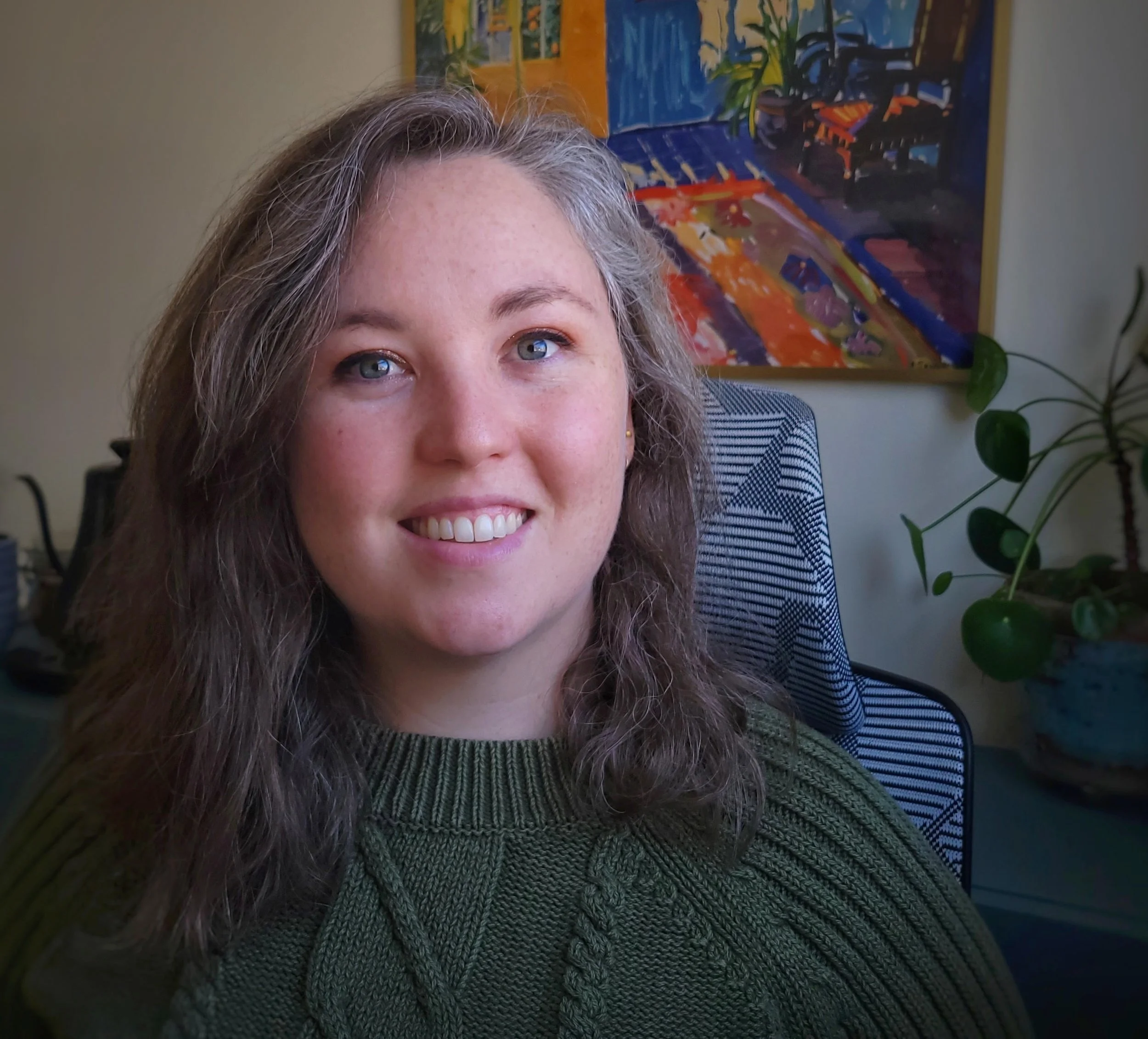
Hi — I’m Morgan.
Questions? I’ve Got Answers.
-
This is the most common thing I see, and it’s almost never that the team is difficult. Resistance usually means people don’t have clarity on how something fits into their actual day. That’s a design problem, not an attitude problem, and it’s fixable.
-
No. This works whether you’re on JobTread, Buildertrend, Asana, Monday, ClickUp, Zoho — or running everything through group texts and a whiteboard. The tool matters less than whether it matches how you work.
-
Then I’ll tell you, and I’ll tell you what to look for. I don’t specifically sell implementation for any one product, so I have no reason to steer you toward a project. If you want hands-on help executing we can discuss a custom project scoped for your needs.
-
The Blueprint asks for about three hours of your time across two weeks, a kickoff conversation, short chats with a couple of team members, and the working session. The analysis is on me.
-
Owner-led businesses, usually five to fifty people. This has included growing trades, construction, creative, and hands-on service businesses. Typically owners who are excellent at the work and figured out the business side as they went. I’ve worked with a lot of industries though, so if you’re curious to see if we’re a fit, let’s chat.
Ready to Stop Guessing?
A discovery call is free and it’s not a pitch. Tell me what’s driving you crazy and I’ll tell you honestly whether I can help.